Your Guide to Dahlia Tubers: Planting and Care
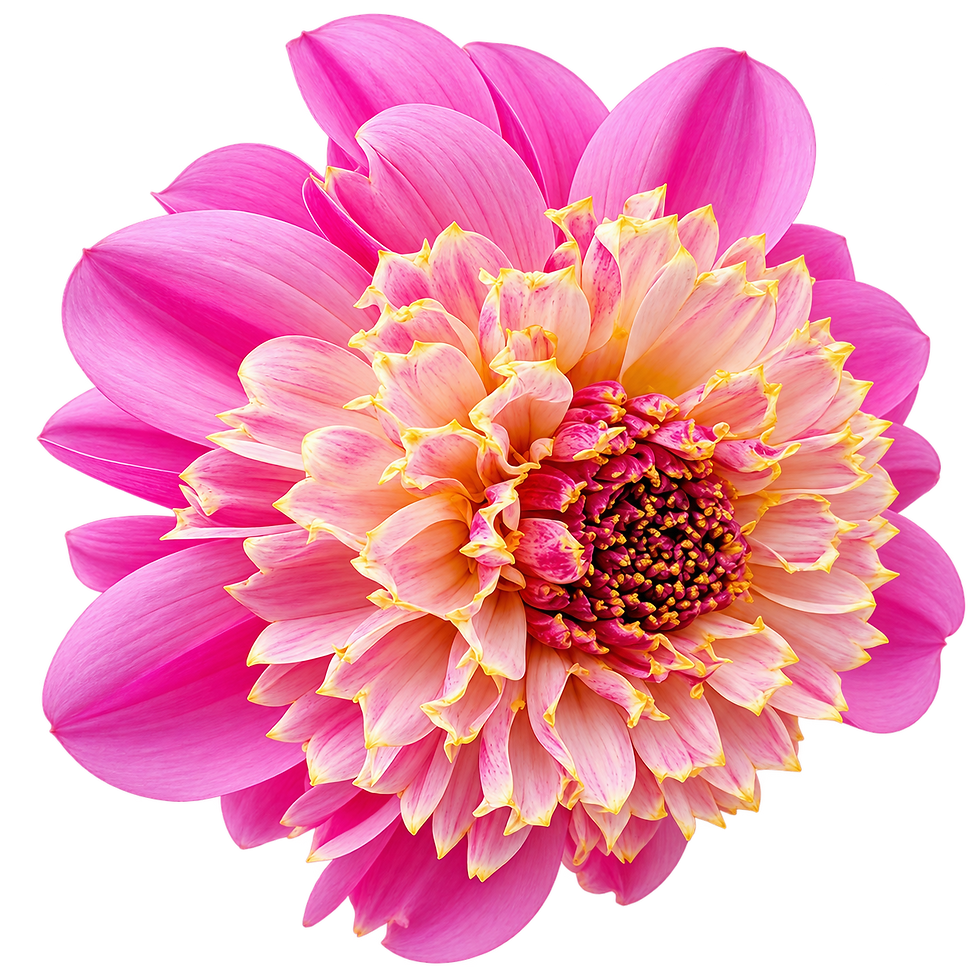
Dahlias are a favorite among gardeners for their stunning blooms and variety of colors. These vibrant flowers can transform any garden into a breathtaking display. However, to achieve that stunning look, proper planting and care of dahlia tubers are essential. This guide will walk you through everything you need to know about dahlia tubers, from selecting the right varieties to planting, caring for, and storing them.

Understanding Dahlia Tubers
Dahlia tubers are the underground storage organs of the dahlia plant. They store nutrients and energy, allowing the plant to thrive and produce those beautiful flowers. Here are some key points to understand about dahlia tubers:
Structure: Each tuber has a "crown" from which the stems and leaves grow. The tubers themselves are knobby and can vary in size.
Varieties: There are numerous dahlia varieties, each with unique colors, shapes, and sizes. Some popular types include dinner plate dahlias, pompon dahlias, and cactus dahlias.
Hardiness: Dahlias are typically grown as annuals in most regions, but they can be perennial in warmer climates.
Selecting the Right Dahlia Tubers
When choosing dahlia tubers, consider the following factors:
Variety: Select a variety that suits your garden's aesthetic. For example, if you want large blooms, go for dinner plate dahlias. If you prefer smaller flowers, pompon dahlias are a great choice.
Quality: Look for firm, plump tubers without any signs of rot or damage. Healthy tubers will have at least one eye, which is essential for growth.
Source: Purchase tubers from reputable nurseries or garden centers to ensure quality.
Preparing for Planting
Before planting your dahlia tubers, you need to prepare your garden bed. Here’s how:
Choose the Right Location: Dahlias thrive in full sun, so select a spot that receives at least six hours of sunlight daily.
Soil Preparation: Dahlias prefer well-draining soil rich in organic matter. Amend your garden soil with compost or well-rotted manure to improve its fertility.
Spacing: Plan your layout. Space tubers about 12 to 18 inches apart to allow for their growth.
Planting Dahlia Tubers
Once your garden bed is ready, it’s time to plant your dahlia tubers. Follow these steps:
Timing: Plant tubers in the spring after the last frost date in your area. The soil temperature should be at least 60°F (15°C).
Planting Depth: Dig a hole about 4 to 6 inches deep. Place the tuber in the hole with the eye facing upward, then cover it with soil.
Watering: Water the tuber thoroughly after planting to help settle the soil around it.
Caring for Dahlia Plants
After planting, proper care is crucial for healthy dahlia growth. Here are some essential care tips:
Watering
Frequency: Dahlias need consistent moisture, especially during dry spells. Water them deeply once a week, allowing the soil to dry slightly between waterings.
Avoid Overwatering: Ensure the soil drains well to prevent tuber rot.
Fertilizing
Type of Fertilizer: Use a balanced fertilizer (like 10-10-10) or one higher in phosphorus to promote blooming.
Application: Fertilize every 4 to 6 weeks during the growing season, following the manufacturer's instructions.
Staking
As dahlias grow, they may require support to prevent them from toppling over. Use stakes or cages to support taller varieties. Insert stakes at the time of planting to avoid damaging the tubers later.
Pest and Disease Management
Dahlias can be susceptible to pests like aphids and slugs. Here are some management strategies:
Inspection: Regularly check your plants for signs of pests or disease.
Natural Remedies: Use insecticidal soap or neem oil for pest control. Handpick slugs and snails if necessary.
Deadheading and Pruning
To encourage continuous blooming, deadhead spent flowers by cutting them off at the base. Additionally, you can prune back any leggy growth to promote a bushier plant.
Harvesting Dahlia Tubers
At the end of the growing season, it’s time to harvest your dahlia tubers. Here’s how to do it properly:
Timing: Wait until after the first frost, as this helps to harden the tubers.
Digging Up: Carefully dig around the tubers with a spade or fork, being cautious not to damage them.
Cleaning: Remove excess soil and allow the tubers to dry in a cool, shaded area for a few days.
Storing Dahlia Tubers
Proper storage is essential to ensure your dahlia tubers survive until the next planting season. Follow these steps:
Storage Conditions: Store tubers in a cool, dark, and dry place. Ideal temperatures are between 40°F and 50°F (4°C to 10°C).
Medium: Place tubers in a container filled with peat moss, sawdust, or vermiculite to prevent them from drying out.
Check Regularly: Inspect stored tubers periodically for signs of rot or dehydration.
Common Problems and Solutions
Even with the best care, you may encounter some issues with your dahlias. Here are common problems and their solutions:
Yellowing Leaves: This can indicate overwatering or nutrient deficiency. Adjust your watering schedule and consider fertilizing.
Poor Blooming: If your dahlias are not blooming well, check for adequate sunlight and nutrients. Ensure they are not overcrowded.
Pests: If you notice pests, treat them promptly with appropriate methods to prevent damage.
Conclusion
Dahlia tubers can bring a burst of color and beauty to your garden with the right care and attention. By following the steps outlined in this guide, you can successfully plant, nurture, and enjoy these stunning flowers year after year. Remember to choose quality tubers, provide adequate care, and store them properly for the next season. Happy gardening!


Comments